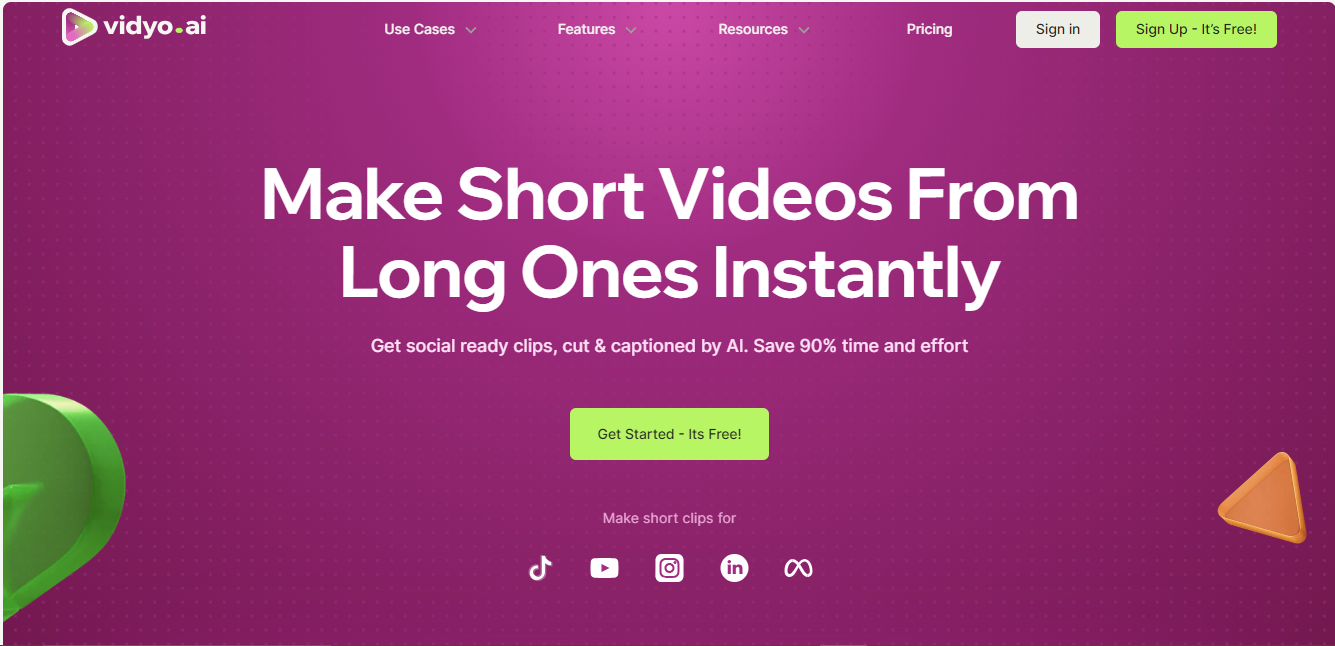
Vidyoai_png

Features

About the Tool

Vidyo is an enterprise-grade video communications platform that provides low-latency, high-quality video and audio through embeddable SDKs and cloud or on-premises deployments. It targets developers, healthcare organizations, contact centers, and enterprises that need customizable, secure video experiences integrated directly into their apps and workflows.

Key Features

  • Adaptive Video Encoding (SVC) for Reliable Quality

    Vidyo uses scalable video coding to dynamically adapt resolution and bitrate to fluctuating networks and device capabilities, delivering consistent, low-latency video across constrained connections and mobile networks.

  • Embeddable SDKs and APIs

    Comprehensive SDKs for Web (WebRTC), iOS, Android, and native platforms let developers embed video, voice, and collaboration features directly into applications with programmatic control over UI, signaling and session management.

  • Flexible Deployment: Cloud, Hybrid, or On-Premises

    Deploy on Vidyo’s cloud, on private infrastructure, or in hybrid configurations to meet latency, security, and compliance needs—useful for regulated industries that require data locality or strict control of media streams.

  • Interoperability with SIP/H.323 and Third-Party Systems

    Built-in gateways and protocol support enable integration with traditional conferencing systems, SIP trunks, and contact center platforms, allowing seamless connections to legacy endpoints and enterprise telephony.

  • Security & Compliance Controls

    Enterprise features include encryption of signaling and media, role-based access controls, audit logging, and deployment options that support HIPAA, GDPR, and other regulatory requirements when configured appropriately.

  • Recording, Analytics, and Monitoring

    Native recording capabilities, session analytics, and monitoring dashboards help ops teams track performance metrics, troubleshoot issues, and capture sessions for QA or compliance purposes.

Use Cases

  • Telehealth providers embedding secure, HIPAA-aware video visits into EHRs and patient portals.

  • Enterprises adding branded video collaboration to productivity apps for distributed teams.

  • Contact centers using video-assisted support to improve resolution rates and CX.

  • Education platforms offering live, interactive classes with low-latency group video.

  • Financial services and government agencies requiring on-premises deployments for regulatory compliance.

  • ISVs and product teams building custom applications that require tight UI/UX control over video sessions.

Pricing

See pricing page — View pricing

Tool Analysis

Pros

  • High-quality, low-latency video optimized for varying network conditions.

  • Rich SDKs and APIs enable deep customization and embedding into products.

  • Flexible deployment models (cloud, hybrid, on-premises) for compliance needs.

  • Strong interoperability with legacy conferencing and telephony systems.

  • Enterprise security and monitoring features suitable for regulated industries.

Cons

  • More complex to integrate and operate than consumer-focused platforms—requires developer resources.

  • Enterprise licensing and deployment costs can be higher for smaller teams.

  • Smaller ecosystem of third-party extensions compared with mainstream meeting platforms.

  • Advanced customization may entail a steeper learning curve for product teams.

FAQs

  • What platforms and SDKs does Vidyo support?

    Vidyo provides SDKs for Web (WebRTC), iOS, Android, and native desktop clients, along with REST APIs and server-side components for session control and integration.

  • Can Vidyo be deployed on-premises for regulatory compliance?

    Yes. Vidyo supports cloud, on-premises, and hybrid deployments to meet data residency, security, and compliance requirements for industries like healthcare and finance.

  • Does Vidyo support integration with SIP/H.323 systems?

    Vidyo includes gateways and interoperability features that allow connections to SIP and H.323 endpoints, enabling mixed deployments with legacy conferencing systems.

  • Is end-to-end encryption available?

    Vidyo encrypts signaling and media streams and offers enterprise security controls; specific end-to-end encryption options depend on the deployment model and configuration.

  • How do I get started with development and testing?

    Begin by requesting developer access or a trial from Vidyo, download the appropriate SDKs, review integration guides and sample apps, and use the provided APIs to prototype in a sandbox environment.

There are no reviews yet.

Leave a Review

Your email address will not be published. Required fields are marked *

Related listing